Expert guides, industry standards, and practical knowledge for masonry repair and building restoration.
Whether you're evaluating a renovation project or learning about quality standards in masonry and concrete repair, understanding industry best practices is essential. I've compiled the most valuable resources from leading authorities in building restoration and concrete standards.
Understanding masonry materials, restoration techniques, and best practices for brick, concrete, stone, tile, and other masonry systems.
Technical standards and quality benchmarks for concrete repair work, foundation restoration, and structural concrete maintenance.
These organizations set industry standards and provide comprehensive guidance on masonry, concrete repair, and building restoration. I regularly reference their resources when evaluating quality contractors and understanding what makes professional work stand out.
Comprehensive guidance on masonry construction and restoration techniques for brick, concrete, stone, tile, terrazzo, and plaster/stucco systems.
Visit IMILeading authority on concrete standards, repair specifications, quality benchmarks, and technical resources for concrete work quality assurance.
Visit ACIUnderstanding different brick types, mortar compositions, stone varieties, and concrete formulations for proper restoration work. Quality materials directly impact longevity.
Professional methods for tuckpointing, brick replacement, concrete patching, and stone restoration. Learning these techniques helps you evaluate contractor workmanship.
Industry benchmarks and specifications that define quality work. Understanding standards helps you know what to expect from professional contractors.
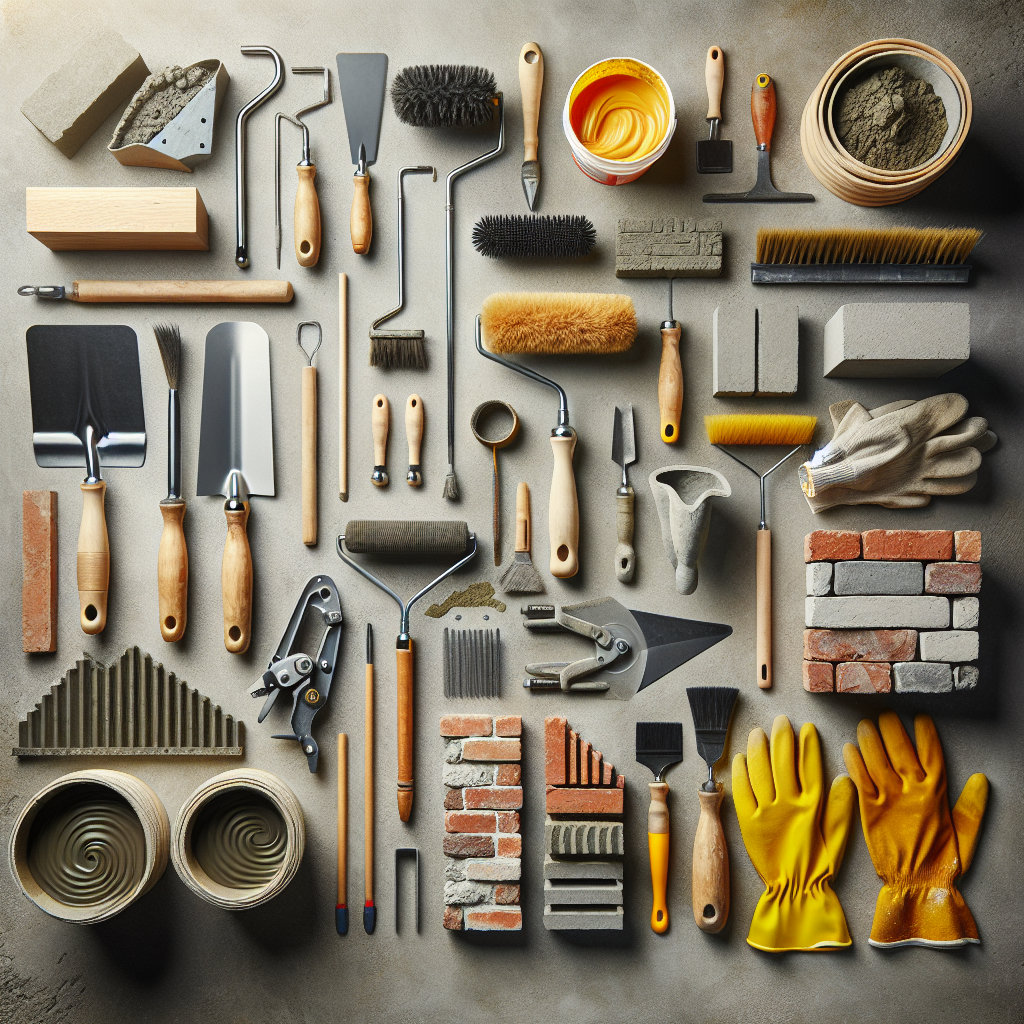
Professional masonry tools and their uses. Proper equipment is essential for quality work. I've curated information about the tools professional craftsmen rely on.
Understanding professional certifications and continuing education in the masonry industry. Certified contractors demonstrate commitment to quality and ongoing education.
Long-term care for restored masonry and concrete. Proper maintenance extends the life of repair work and prevents future damage to your property.
Professional masonry work requires proper tools and materials. Understanding what professional contractors use helps you evaluate the quality of their work. Common tools include mortar hawks, pointing tools, trowels, and specialized equipment for cleaning and restoration.
Quality tools are an investment that ensures precision and durability. When contractors arrive with professional-grade equipment, it's often a sign they take their work seriously. The right tools enable the craftsmanship that defines quality masonry work.
Back to Home
Proper maintenance extends the life of your masonry and concrete work. Understanding when to schedule inspections and repairs can prevent costly damage.
Inspect masonry for signs of deterioration, cracking, or mortar erosion. Early detection prevents more costly repairs.
Have a qualified contractor evaluate your masonry and concrete. They can identify issues before they become serious problems.
Mortar joints deteriorate over time. Tuckpointing restores these joints and protects the masonry from water infiltration and structural damage.
Address any damage identified during inspections promptly. Professional repairs maintain structural integrity and property value.
These resources provide the foundation for understanding quality masonry and concrete work. Whether you're planning a renovation, evaluating contractors, or simply want to deepen your knowledge about building restoration, these industry authorities have the information you need.
Return to Home